

Back-to-School Anxiety: How to Help Your Child Build Confidence Instead of Avoidance
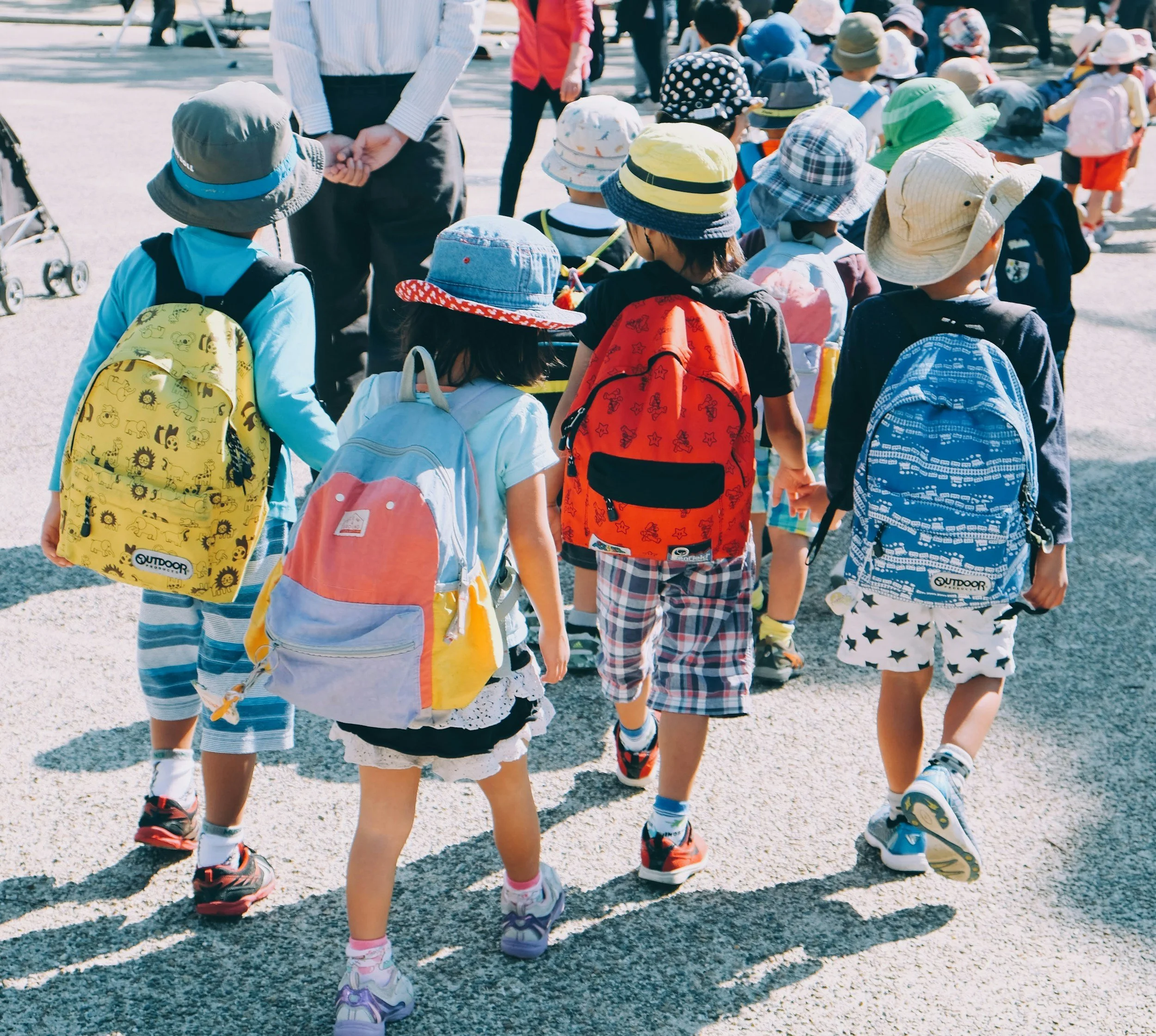
The backpacks are packed. The lunch boxes are ready. Maybe your child even picked out the perfect first-day outfit.
But instead of excitement, you're hearing:
"What if I don't know anyone?"
"Can you stay with me?"
"I don't want to go."
"My stomach hurts."
If this sounds familiar, you're not alone.
Back-to-school season naturally brings uncertainty, and uncertainty is exactly what anxiety dislikes. As parents, our instinct is often to make our child feel better as quickly as possible. We reassure them, solve problems, or change plans to reduce their distress.
While those responses come from love, they can accidentally teach anxiety an important lesson:
"When I feel anxious, I need someone else to make it go away."
Instead, our goal is something much more powerful:
Help children learn that they can feel anxious and still do hard things.
Remember: Anxiety Isn't the Problem
Many parents believe success looks like getting rid of their child's anxiety before school starts.
It doesn't.
Anxiety is a normal human emotion. New teachers, new routines, unfamiliar classmates, and changing expectations would make many people nervous.
The goal isn't raising a child who never feels anxious.
The goal is raising a child who knows they can handle anxiety without letting it make all of their decisions.
Confidence isn't something children think their way into.
Confidence is something they do their way into.
Watch Out for the Anxiety Trap
When children feel anxious, they often want certainty.
They may ask:
"Will I have friends?"
"Will my teacher be nice?"
"What if something bad happens?"
"Promise you'll pick me up right after school?"
Parents naturally answer these questions.
Sometimes over and over.
Unfortunately, reassurance usually works like scratching a mosquito bite—it feels good for a moment but makes the itch come back stronger.
Rather than proving everything will be okay, try communicating two messages:
"I know this feels hard."
"I also know you can handle hard things."
This combination validates feelings while building confidence.
Practice Before School Starts
One of the best ways to reduce anxiety isn't talking more about school—it's practicing.
Think about ways your child can become familiar with new experiences before the first day.
You might:
Visit the school playground.
Drive the route several times.
Walk into the building if it's open.
Practice the morning routine.
Rehearse saying goodbye.
Practice ordering food independently or asking another trusted adult for help.
Notice the goal isn't making anxiety disappear.
The goal is helping your child discover:
"I've done this before. I can do it again."
Expect Anxiety to Come Along
Many children wait until they feel "ready."
Anxiety loves that plan because "ready" often never comes.
Instead of waiting for courage, encourage action alongside anxiety.
You can say:
"It's okay to feel nervous."
"Your body is doing what anxious bodies do."
"You don't have to like this to do it."
"Let's see what happens when you take one brave step."
Every small brave action teaches the brain that uncertainty is survivable.
Be Careful Not to Let Anxiety Drive
One of my favorite ways to explain anxiety to children is using the idea that anxiety is trying to take the driver's seat.
Imagine anxiety grabbing the steering wheel and shouting directions:
"Don't go!"
"Stay close to Mom!"
"It's too scary!"
Anxiety is loud.
But loud doesn't mean it's right.
We help children notice what anxiety is saying while choosing to steer toward what matters anyway.
Anxiety can ride in the car.
It just doesn't get to drive.
What Parents Can Do Instead
When your child becomes anxious:
✔ Stay calm.
✔ Keep routines predictable.
✔ Validate without rescuing.
✔ Encourage one small brave step.
✔ Praise effort, not the absence of anxiety.
Instead of saying:
"Don't worry."
Try:
"I know this feels uncomfortable, and I know you can handle being uncomfortable."
Instead of:
"I'll stay until you feel better."
Try:
"I'll stick with our plan because I believe you can do this."
Children borrow our confidence long before they build their own.
Progress Is Built One Brave Moment at a Time
The first few weeks of school may still be challenging.
There may be tears.
There may be stomach aches.
There may be requests to stay home.
That doesn't mean you're doing it wrong.
Every time your child practices doing something difficult instead of avoiding it, they're strengthening the skills they'll use for years to come.
The goal isn't a perfect first day.
The goal is helping your child discover:
"I can do hard things—even when anxiety comes with me."
Need More Support This Back-to-School Season?
If you're looking for step-by-step guidance to help your child navigate back-to-school anxiety, my Back-to-School Anxiety Workbook is designed just for parents.
Inside, you'll find practical strategies rooted in CBT, ERP, and evidence-based parenting approaches, including:
Simple scripts for responding to anxious moments
Activities to help children build confidence
Exposure planning worksheets
Tools for reducing reassurance and accommodations
Printable resources you can use throughout the school year
Rather than focusing on eliminating anxiety, this workbook helps you support your child in building the confidence to handle it.
Grab your Back-to-School Anxiety Workbook today and help your child start the school year with more courage, confidence, and resilience.
