

4 Simple Strategies to Help Your Child Beat Anxiety
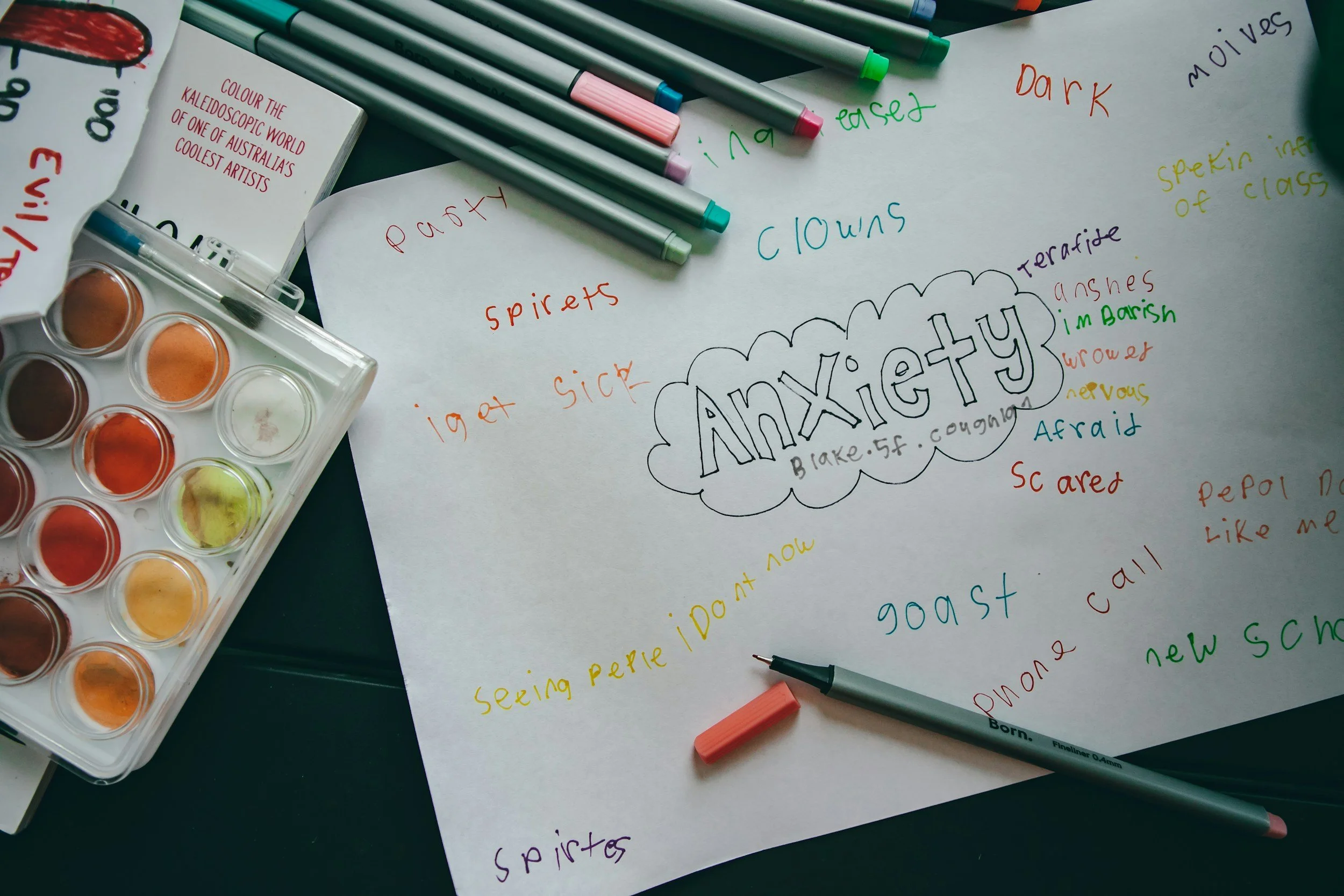
If you’re parenting an anxious child, you’ve probably asked yourself some version of this question:
“How do I help my child feel better without making their anxiety worse?”
It’s a hard balance. When kids are anxious, our instinct is to protect, reassure, and remove the stressor. In the moment, that often helps them feel better.
But over time, those patterns can unintentionally teach children something powerful:
“I can’t handle this.”
The goal isn’t to eliminate anxiety entirely. Anxiety is a normal human emotion. The real goal is to help kids learn:
“I can feel anxious and still handle hard things.”
Here are four simple, research-backed strategies that help children build that confidence.
1. Practice Supportive Responses Instead of Accommodating Ones
When kids feel anxious, parents naturally try to help. Sometimes that help turns into accommodations, such as:
Repeated reassurance (“Nothing bad will happen.”)
Avoiding situations that cause anxiety
Speaking for your child in uncomfortable situations
Allowing them to escape challenges
While these responses come from a loving place, they can reinforce the idea that the situation really is dangerous or unmanageable.
Supportive responses look a little different. They validate your child’s feelings without removing the challenge.
Instead of saying:
“Don’t worry. I’ll handle it.”
Try:
“I know this feels really hard. I believe you can handle it.”
This approach communicates two important messages:
Your feelings make sense
You are capable
That combination is incredibly powerful for anxious kids.
2. Set Small, Doable Challenges That Build Tolerance
Confidence doesn’t come from talking about bravery.
It comes from practice.
One of the most effective ways to help children overcome anxiety is through gradual exposure—taking small steps toward the thing that feels scary.
For example:
If your child has social anxiety, a small step might be:
Saying hello to one classmate
Ordering their own food at a restaurant
Asking a teacher a question
If your child struggles with separation anxiety, small steps might include:
Playing in another room
Staying with a trusted caregiver
Practicing short separations
The key is that the challenge should feel slightly uncomfortable but still doable.
Too easy, and nothing changes.
Too overwhelming, and kids may shut down.
Over time, these small wins build something incredibly important:
Tolerance for discomfort.
And tolerance is what allows kids to face bigger challenges later.
3. Stay Calm and Steady—Even When Your Child Isn’t
Anxiety can be contagious.
When children are distressed, parents often feel it too. It’s natural to want to fix the moment quickly.
But one of the most powerful things you can do is remain calm and steady.
Children take emotional cues from the adults around them. When parents respond with panic, urgency, or frustration, it can unintentionally signal that the situation is dangerous.
Instead, aim to communicate calm confidence.
Your tone might say:
“I see this is hard. I’m right here. You can do this.”
You don’t need to be perfectly calm all the time. But modeling steadiness helps children learn that big feelings are manageable.
Over time, your calm becomes something your child can borrow when their own anxiety feels overwhelming.
4. Focus on Progress, Not Perfection
When helping kids face anxiety, it’s easy to focus on whether they fully succeeded.
But progress often looks messy.
Maybe your child:
Walked into the classroom but cried
Tried the activity but needed encouragement
Spoke quietly instead of confidently
Those moments still count.
Anxiety shrinks when children learn that effort matters more than perfection.
Instead of saying:
“You did it!”
You might say:
“I noticed you tried even though it felt scary.”
This reinforces the behavior we want to see more of:
Trying.
The more kids experience themselves trying hard things, the more they start to believe:
“I’m someone who can handle challenges.”
And that belief is one of the strongest antidotes to anxiety.
The Bigger Picture
Helping an anxious child doesn’t mean eliminating every difficult feeling.
Instead, it means helping them develop the skills to move through anxiety with support and confidence.
When parents:
respond supportively rather than accommodating anxiety
encourage small challenges
remain calm and steady
and celebrate progress
children begin to build something incredibly powerful:
Resilience.
And resilience is what allows kids to grow into adults who can handle life’s uncertainties with courage and confidence.
If you’re raising an anxious child, know this: you don’t have to navigate it alone. With the right strategies and support, kids can learn to face fears, build independence, and develop lasting confidence.
